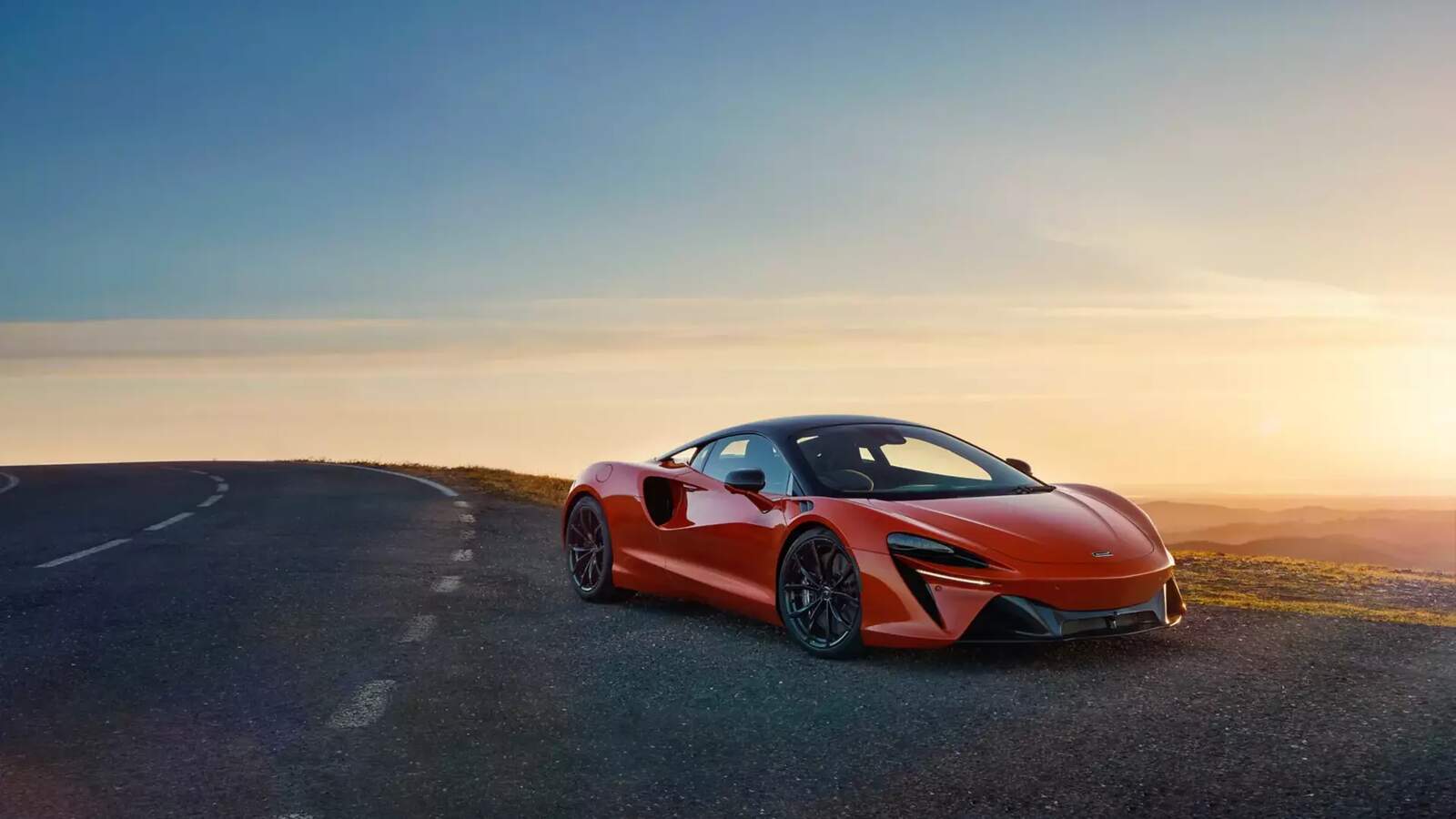
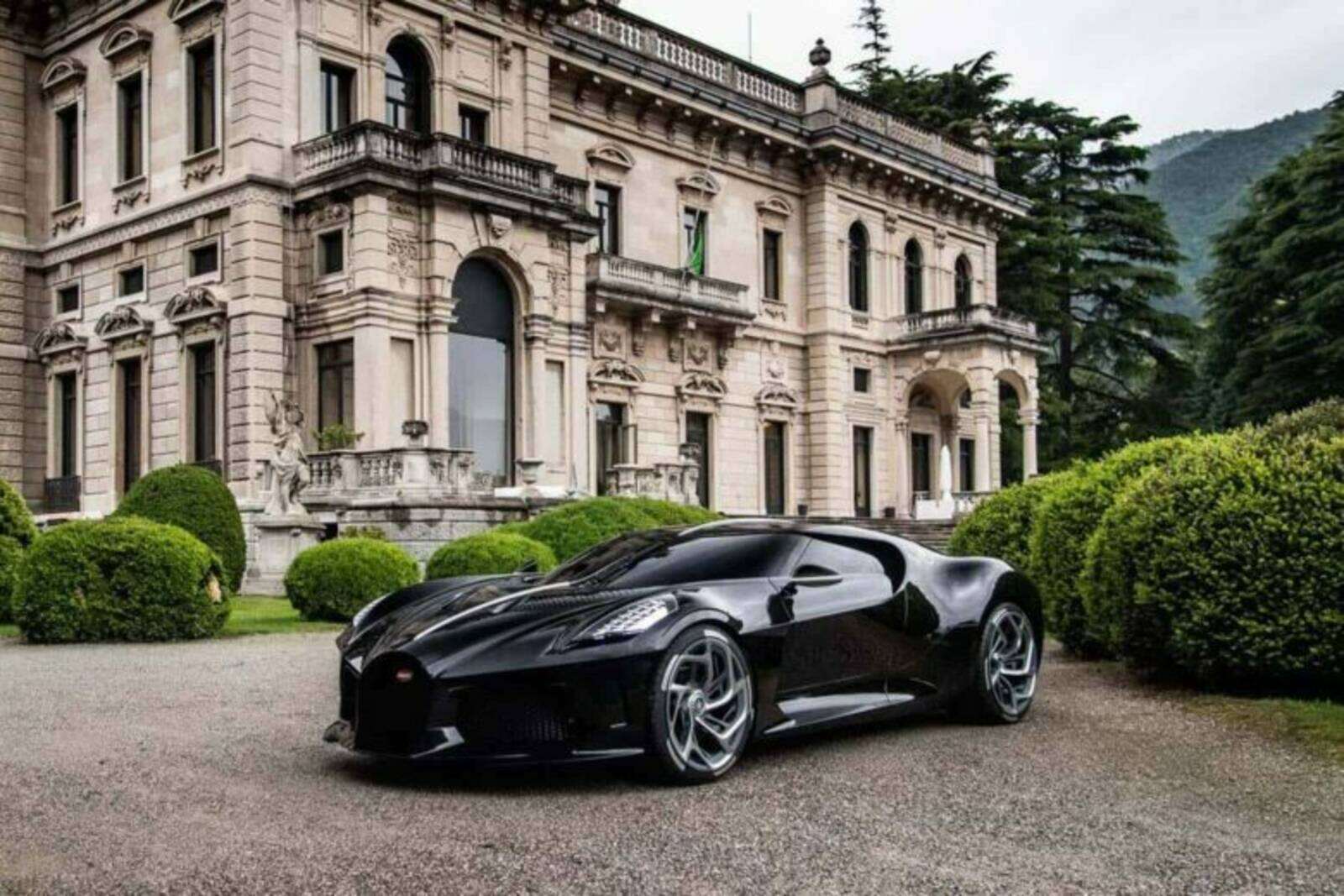
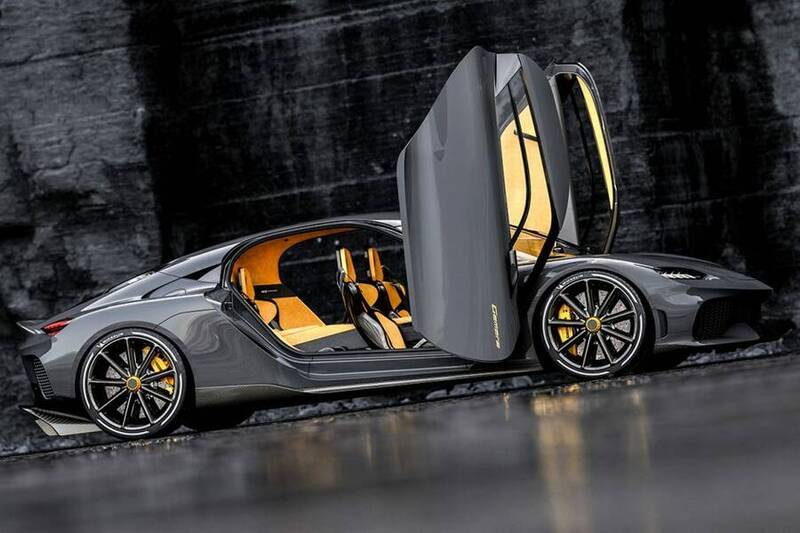
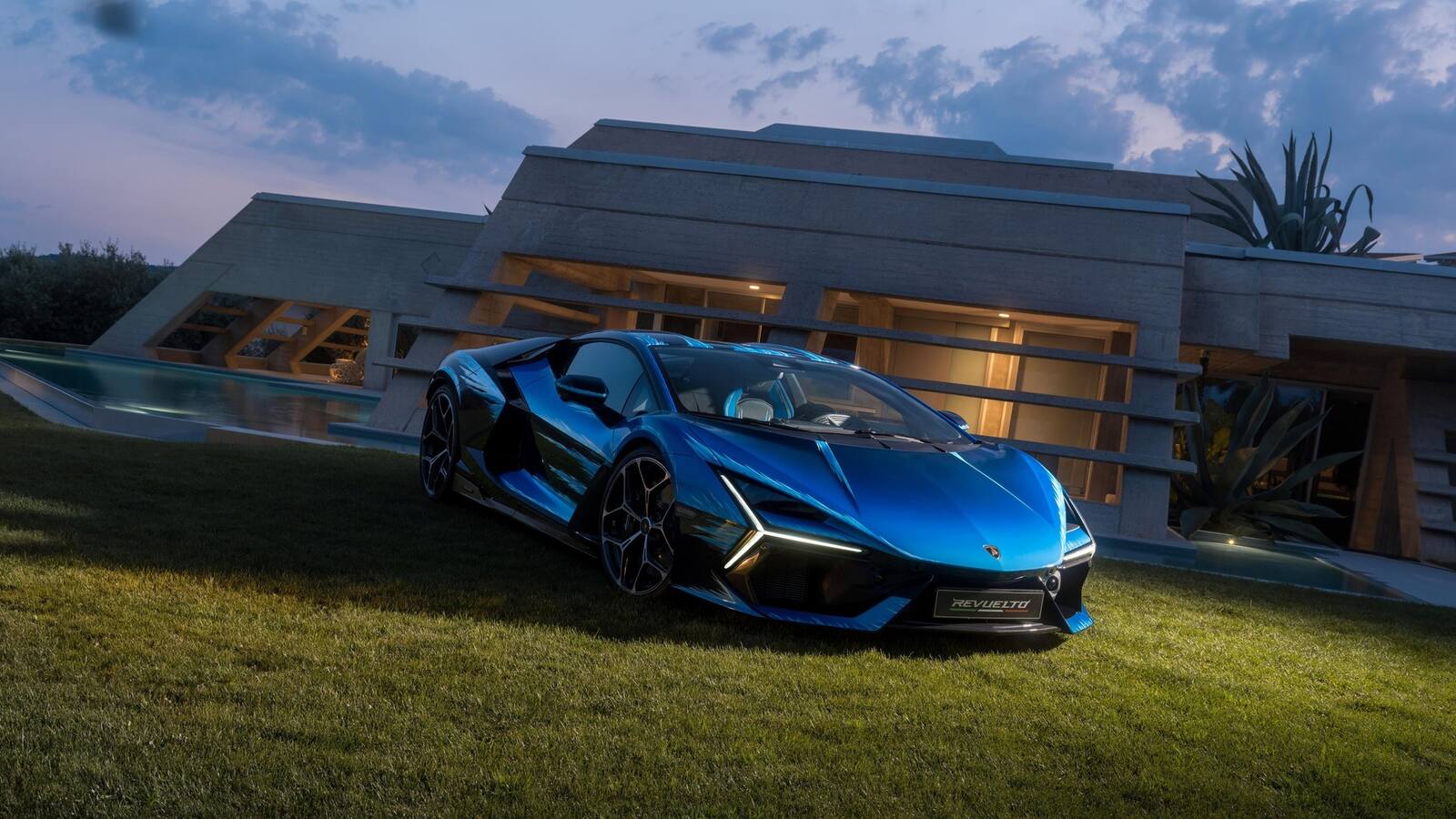
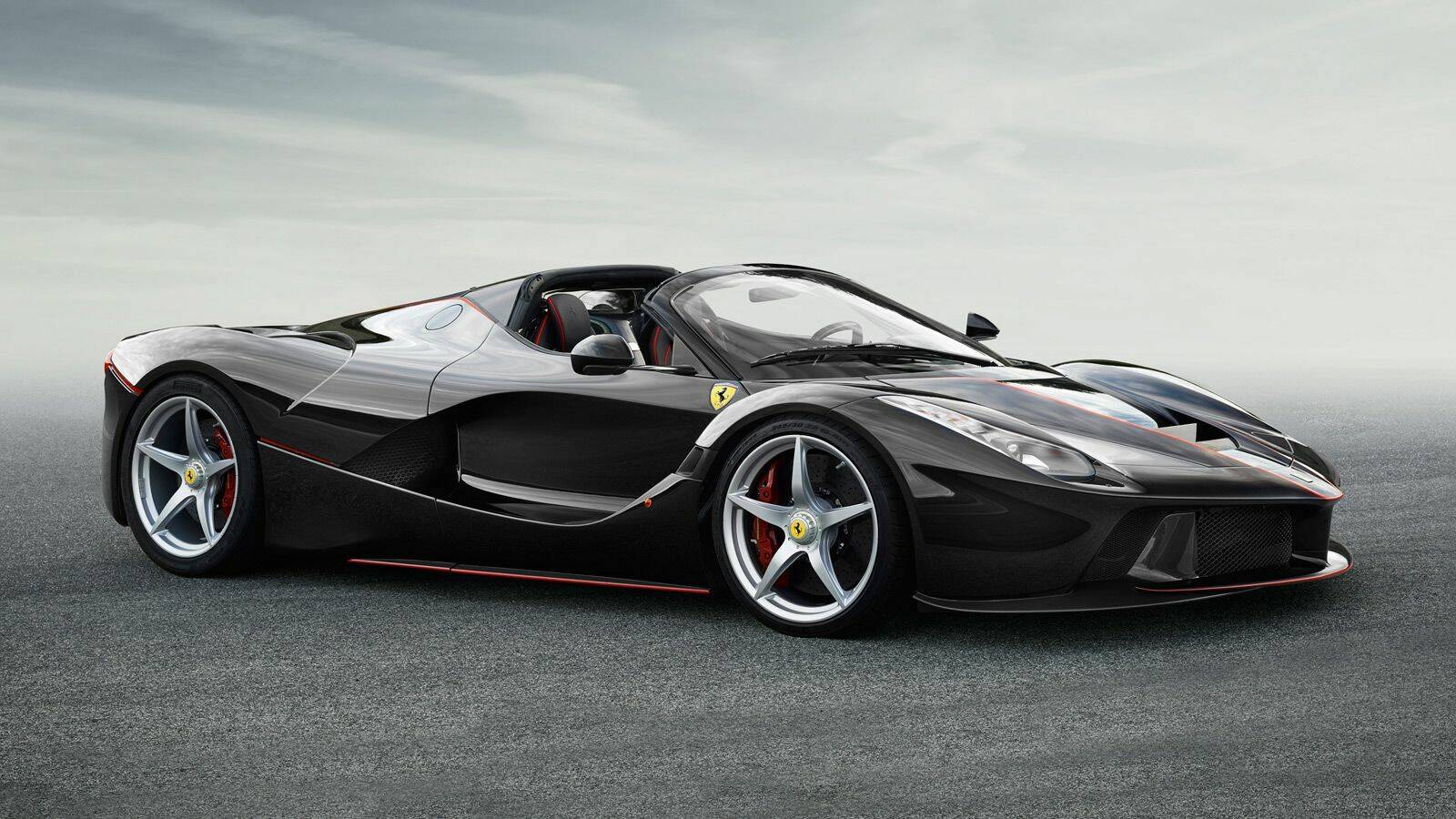
For most of the twentieth century, luxury and sustainability were treated as opposing propositions. The supercar, in particular, was defined by its refusal to compromise. Today, that opposition has dissolved. The industry's most ambitious manufacturers are building a new kind of luxury, one where environmental responsibility is not a constraint but a feature.
For a long time, the words "luxury supercar" and "sustainability" sat in opposition. The entire proposition of the supercar was excess, large displacement, heroic consumption, a deliberate disregard for efficiency as a signal of freedom. Today, that grammar has fundamentally changed. The industry's most prestigious manufacturers are not just adopting sustainable technologies; they are using them as a new axis of competition, arguing that the responsible supercar is not a contradiction but an evolution.
The shift is partly regulatory. Europe's tightening emissions framework, California's zero-emission mandate, and a patchwork of similar rules across Asian markets have made pure combustion programs economically untenable for manufacturers that sell globally. But the more interesting driver is customer-facing. A new generation of high-net-worth buyers has begun to expect that their most expensive possessions carry a credible environmental story. The Range Rover in the driveway is no longer enough. The story behind the car matters.
Rethinking the Luxury Contract
Luxury, historically, has been an exclusionary proposition, things that most people cannot have, made from materials that are rare and difficult to obtain. Sustainability pulls in the opposite direction. Its virtues are renewability, longevity, and circular supply chains. Reconciling these values has forced the industry into a round of deep creative thinking, and the results have been more interesting than skeptics anticipated.
Bentley's new sustainability initiative, announced at the Geneva Motor Show last year, committed the company to carbon-neutral manufacturing by the end of the decade and fully electrified powertrains across the lineup by 2030. More striking was the company's approach to materials, a move toward British-sourced leather alternatives, reclaimed wood veneers with documented provenance, and a reduction in overall material intensity across the lineup. None of this makes a Bentley cheaper or less desirable. If anything, the new materials story has given the brand a more complex and more contemporary identity than it had at any point in its hundred-year history.
Performance as the Unexpected Winner
One of the most counterintuitive findings of the past five years is that electrification, far from compromising performance, has become its most reliable accelerant. Electric motors deliver peak torque instantly, allow for four-wheel torque vectoring at a precision impossible with mechanical drivelines, and remove the weight and packaging constraints associated with large internal combustion engines. The most violent-accelerating production cars in history are now, without exception, electric or hybrid.
"The strange thing is that our customers, even the most traditional ones, are arriving for test drives skeptical and leaving converts. The electric version is simply a better performance car. The sustainability story is almost a bonus." , Product Director, European supercar manufacturer
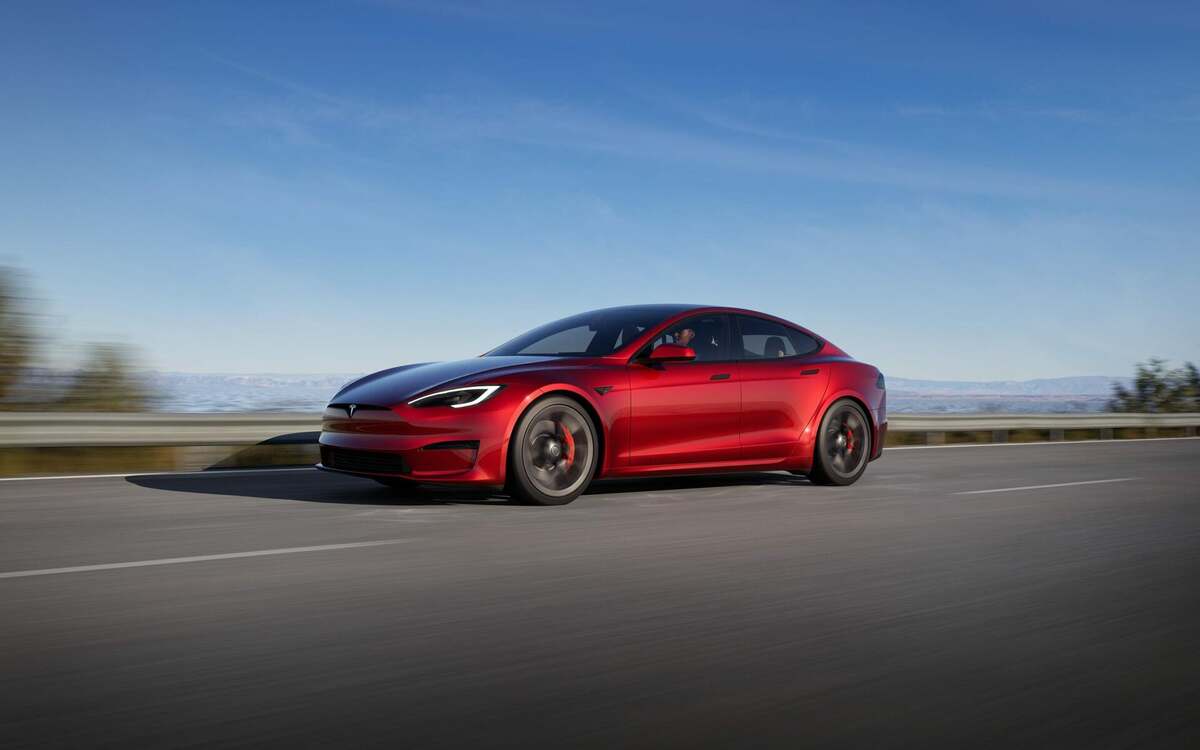
Rimac, Porsche's Taycan Turbo S, Tesla's Model S Plaid, and Lucid's Air Sapphire have all contributed to this reframing. Acceleration figures that would have been otherworldly ten years ago are now available at price points that, while still premium, are no longer the exclusive province of the hypercar class. The democratization of extreme performance, paradoxically, has coincided with the arrival of mass-market electrification.
The Circular Supply Chain Becomes a Selling Point
One of the subtle changes in the industry has been the growing interest in where materials come from and where they go. Polestar, Volvo's performance-luxury offshoot, has led the conversation with its commitment to full supply chain transparency, publishing, for every model, a complete lifecycle carbon accounting from raw material extraction through end-of-life recycling. The brand has argued that transparency itself is a form of luxury.
Other manufacturers have followed. BMW's iX uses significant proportions of recycled aluminum and ocean-reclaimed plastics. Mercedes-Benz has partnered with specialty suppliers to develop leather alternatives derived from cactus fibers and mycelium-based materials. Aston Martin has incorporated recycled carbon fiber into certain components of its newer programs. These are not marketing gestures. They represent real shifts in how these companies source and construct their products, and they are reshaping what customers expect from the category.
The Synthetic Fuel Hedge
Not every manufacturer has committed fully to the electric transition. Porsche, most prominently, has invested heavily in synthetic fuel, specifically, e-fuels produced from captured atmospheric carbon dioxide combined with hydrogen generated from renewable electricity. The resulting fuel is chemically nearly identical to conventional gasoline but, when the production chain is fully renewable, carbon-neutral on a lifecycle basis.
The strategic logic is straightforward. Porsche has a vast installed base of legacy internal combustion vehicles, 911s, Caymans, Boxsters, whose owners have no interest in giving up the character of a naturally aspirated flat-six. Synthetic fuel offers a path where those cars can continue to be driven indefinitely without contributing to net emissions. The technology remains expensive and scaling is slow, but the direction of travel is clear. Expect to see synthetic fuel emerge as a serious long-term option for a specific category of collector and enthusiast driving.
The Weight Problem, and the Weight Solution
The elephant in every electric performance car showroom is weight. Batteries are heavy, and the performance flagships of the electric era routinely exceed five thousand pounds, weights that, a decade ago, would have been unimaginable for anything calling itself a sports car. Handling and wear-and-tear characteristics have had to be reconsidered. The lightweight minimalism that defined traditional performance driving has, in many cases, been sacrificed.
The industry's response has been a massive research investment in battery chemistry and structural integration. Solid-state batteries, long promised and repeatedly delayed, appear to finally be reaching production readiness. Integrated structural batteries, where the battery pack itself forms part of the car's load-bearing structure, are allowing manufacturers to eliminate redundant framework mass. The next generation of electric performance cars will likely weigh significantly less than the current one, possibly enough to rival traditional combustion sports cars for the first time.
What Sustainability Actually Means in a Supercar
Perhaps the most important conceptual shift is what sustainability means in the context of a vehicle that will, by its nature, be driven sparingly. A Ferrari or a Lamborghini is not a daily commuter. It is an occasional object, driven on weekends and at driving events, likely to cover fewer than five thousand miles per year in most owners' hands. The lifetime carbon footprint of such a car is dominated not by its use phase but by its manufacturing phase, which means that sustainable supercar design is largely a question of how the car is built, not how it is operated.
This has refocused industry efforts in important ways. Recycled materials, shorter supply chains, lower-carbon production electricity, and longer-design-life components all become disproportionately important. The supercar that is driven rarely and maintained indefinitely, passed from generation to generation, becomes, paradoxically, a far more sustainable ownership proposition than a rapidly-replaced mass-market vehicle. The supercar's traditional virtues of longevity and durability are, in the new framework, also its environmental virtues.
The Road Ahead
The supercar of 2035 will look different from the supercar of 2015 in ways both visible and invisible. The engines will be different, or absent. The materials will be traceable. The manufacturing carbon will be documented and compensated. The weight will be lower, the performance higher, the experience subtly transformed. But the essential proposition, the feeling of driving something made with care, intention, and extraordinary capability, will remain. If anything, it will be more potent, because it will be carrying a more complicated and more thoughtful set of meanings than it ever has before.
The reconciliation of luxury and sustainability is no longer a theoretical exercise. It is happening, imperfectly but steadily, across every major manufacturer in the category. And the cars that emerge from this transition will likely be remembered as some of the most interesting and carefully-engineered machines ever produced. The industry is not abandoning its traditions. It is updating them for a world that demands more.