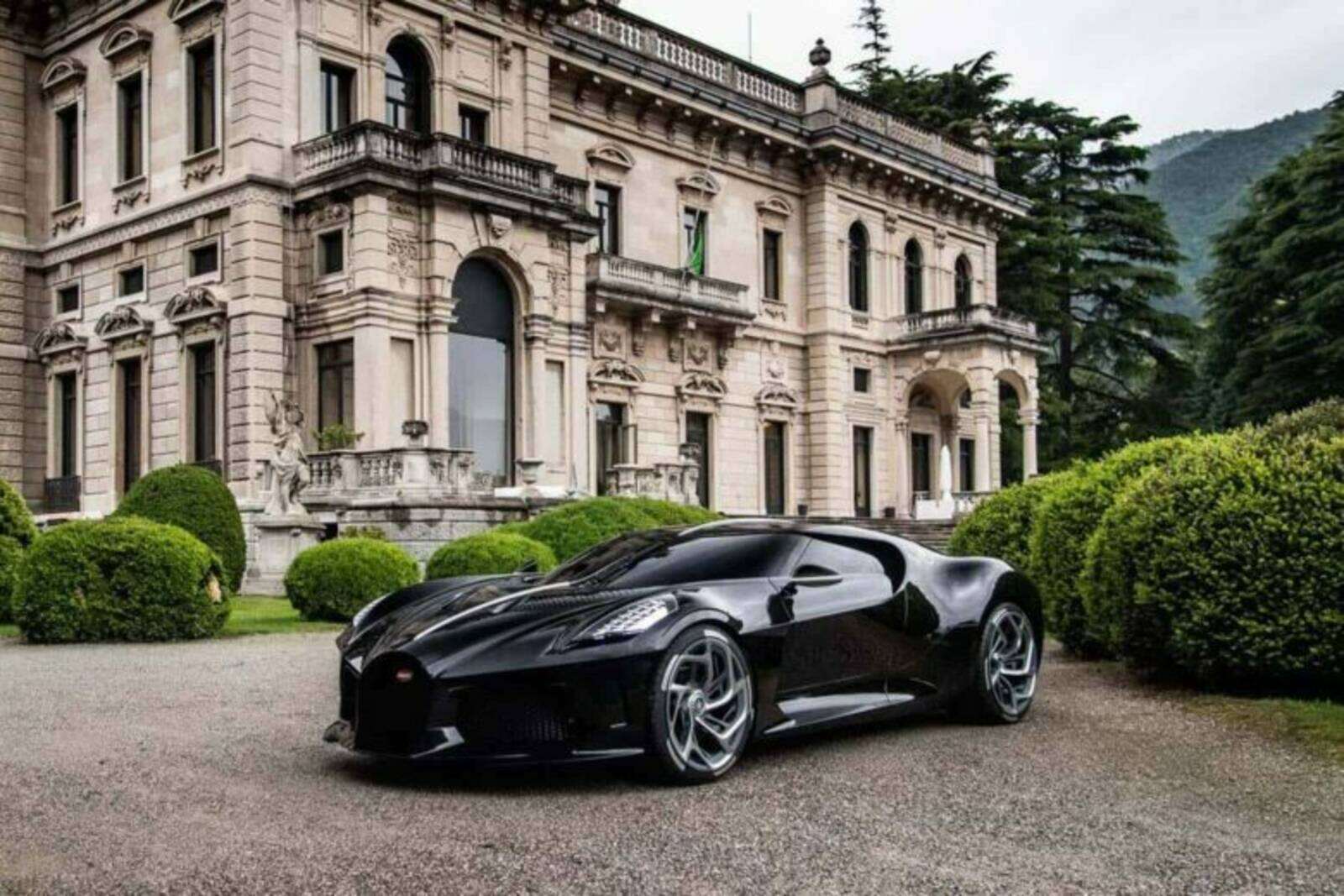
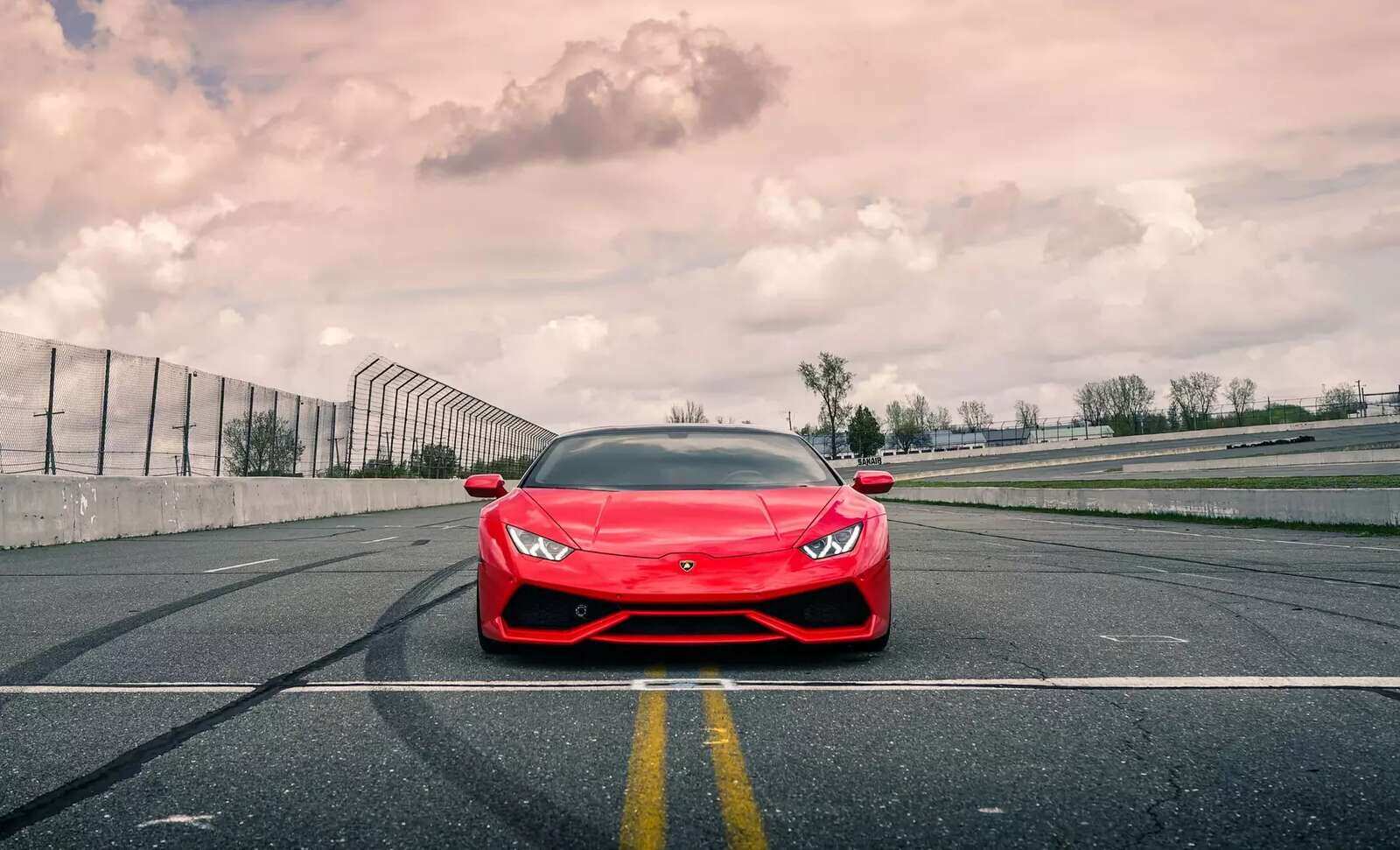
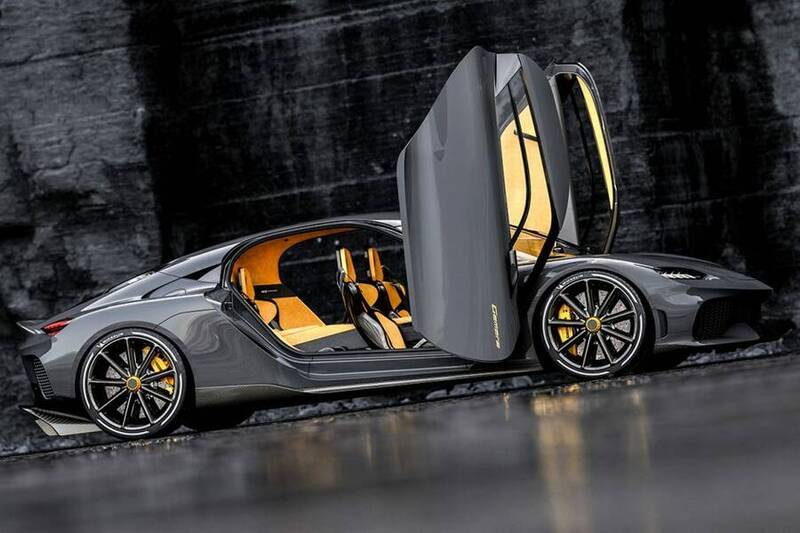
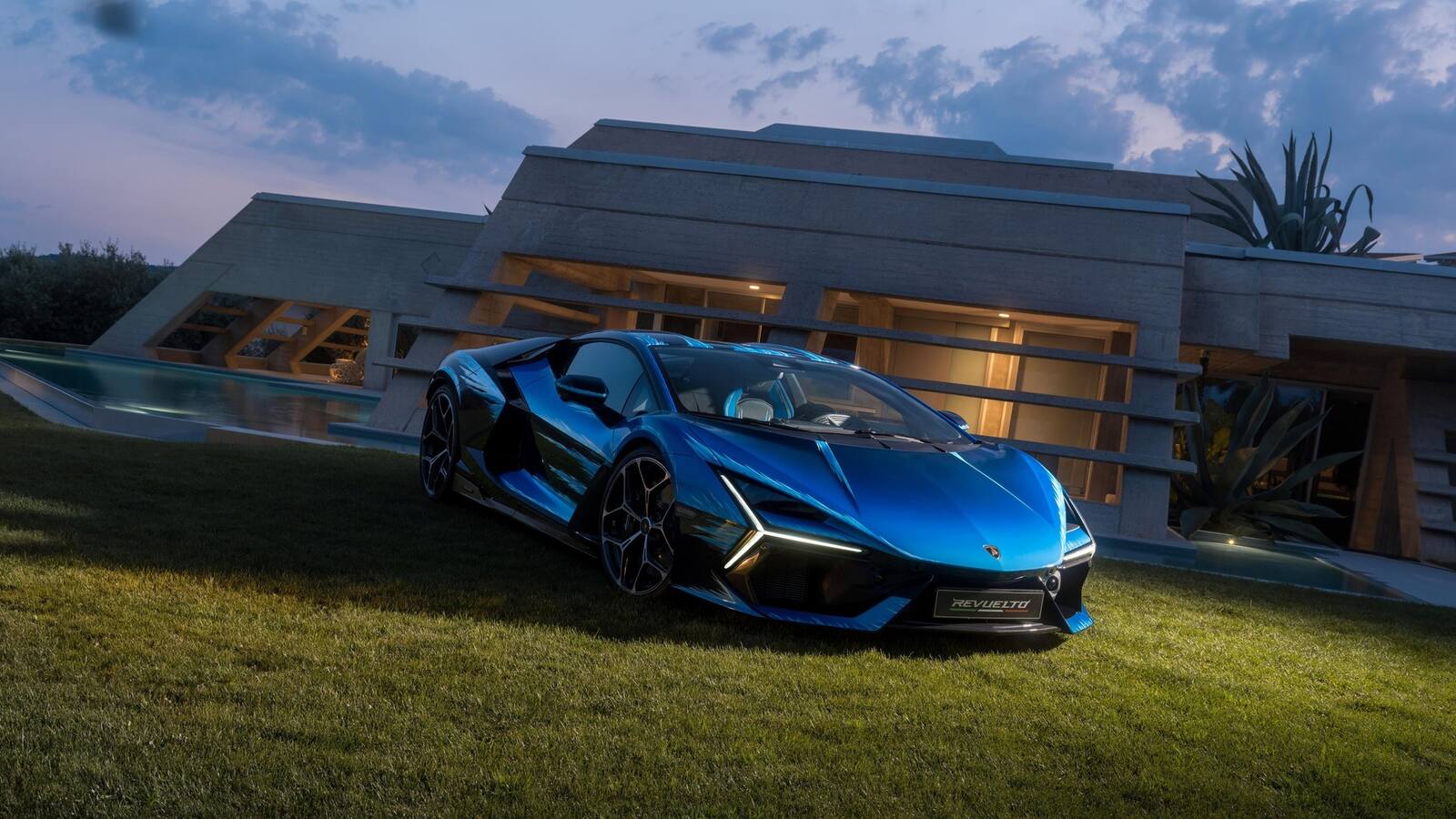
The hypercar has always been a testbed, a space where the industry's most ambitious ideas are tested before trickling down to everyone else. But what's happening right now is different. For the first time in a century, the machines at the top of the automotive pyramid are being re-engineered from the ground up. The next decade will define what the hypercar becomes.
The hypercar is no longer simply the ultimate expression of combustion engineering. Over the past five years, it has become the proving ground for every bleeding-edge idea the automotive world dares to imagine, hybridized powertrains pushing four-digit horsepower, active aerodynamics that reshape the car in real time, carbon structures so light they feel almost theoretical. What we are watching, in effect, is the industry using its most extravagant products to rehearse the future of all performance driving.
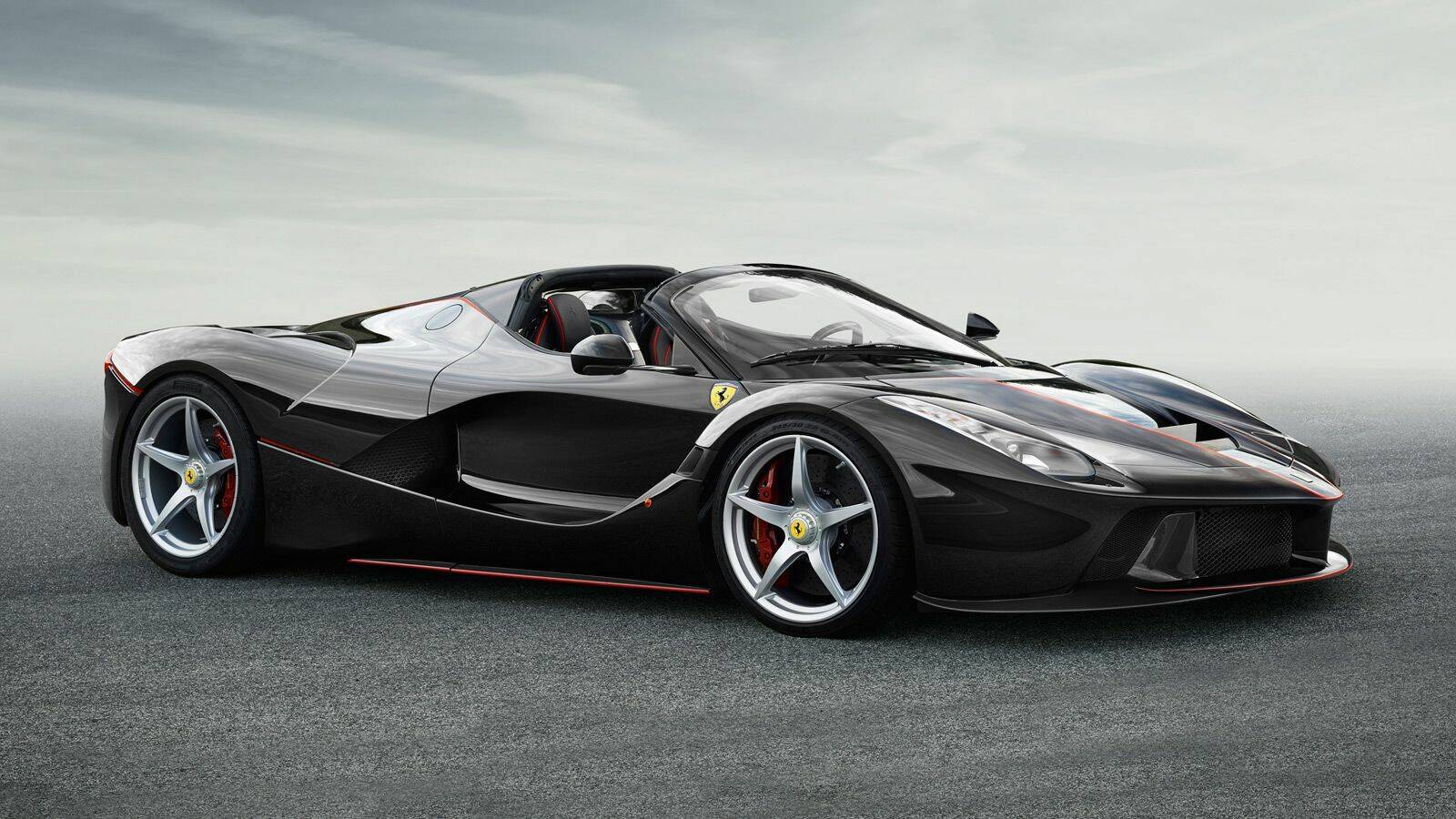
The shift has been startlingly fast. A decade ago, the so-called "Holy Trinity" of the LaFerrari, Porsche 918 Spyder, and McLaren P1 introduced the idea that hybridization was not a compromise but an accelerant. Today, that philosophy is the default. Every serious hypercar program now integrates electrification, whether as a torque-filling assist or as a full plug-in system. The question is no longer whether electric motors belong in a flagship car, it is how creatively they can be deployed.
The Electric Chapter Begins
Fully electric hypercars were once dismissed as novelty experiments. The Rimac Nevera changed that conversation permanently. With four independent motors, torque vectoring more sophisticated than anything produced by a traditional driveline, and a zero-to-sixty time that physically alters the driver's perception of time, it made the case that an electric hypercar was not a concession to environmentalism but a genuine leap forward in what these machines can do.
Pininfarina's Battista, Lotus's Evija, and Aspark's Owl have all pushed the envelope further. Each arrived with claims that would have been dismissed as fantasy in the previous generation: 1,900 horsepower, sub-2-second acceleration runs, top speeds that require specially designed tires rated for speeds ordinary rubber cannot survive. And these are production cars, not one-offs.
Active Aerodynamics Become Intelligent
The modern hypercar is a shape that thinks. Active aerodynamics have existed since the Porsche 959, but they have traditionally been reactive, deploying a wing when speed exceeds a threshold, retracting a splitter when the car decelerates. The newest generation is predictive. Cars like the Mercedes-AMG One and the McLaren Speedtail use sensor arrays to anticipate aerodynamic need hundreds of milliseconds before the driver makes an input, reshaping the body before the demand materializes.
"We're not engineering cars anymore. We're engineering the air that moves around them. The car is just the solid object in a field we've learned to sculpt." , Lead Aerodynamicist, anonymous OEM
This philosophy is trickling down. Morphing rear wings, fan-assisted downforce generation, and flexible body panels that alter their camber under load were all considered experimental just a few years ago. Expect them to appear in sub-hypercar segments within this decade. The technology, once proven at the top of the pyramid, always eventually reaches the base.
AI-Assisted Driving: Not Autonomy
Perhaps the most fascinating thread running through the latest hypercar announcements is not the raw performance figure but the software layer. Machine-learning systems that observe a driver's lap-by-lap inputs and subtly refine throttle mapping, damper behavior, and even steering weight are now standard at the top of the market. This is not autonomy in the Silicon Valley sense. It is something closer to a digital co-driver, a system that learns your style and begins to anticipate what you want the car to do.
Ferrari calls their version of this system "Side Slip Control." Lamborghini has branded their equivalent "LDVI," integrating accelerometers, gyroscopes, and predictive algorithms that read the driver before the driver is consciously aware of their own inputs. The systems are good enough now that truly skilled drivers can feel the car adjusting around them, a ghost-in-the-machine quality that was once found only in video games.
Materials Science as Luxury
Carbon fiber is old news. The current arms race is in materials that did not exist in consumer applications a decade ago. Forged carbon composites. 3D-printed titanium subframes. Graphene-reinforced polymers. Aerogel insulation on exhaust manifolds. Each of these represents dozens or hundreds of millions of dollars of research investment that will ultimately justify itself through the hypercar halo before reaching down-market.
Koenigsegg, arguably the most relentlessly innovative small manufacturer on earth, has pioneered the use of aerospace-derived honeycomb core structures that weigh almost nothing yet absorb impact better than steel. Pagani has spent years perfecting a carbon-titanium weave that costs more per kilogram than most metals by weight of gold. These are not gimmicks; they are the leading edge of an industry learning to build better cars by first learning to build impossible ones.
The Return of the Naturally Aspirated Engine: Briefly
One of the quiet surprises of the current era has been the return, and likely final celebration, of the high-revving naturally aspirated V12. Brands understand that the combustion engine in its purest form has only a handful of years left as a production option. The result has been a wave of "farewell" engines, the Lamborghini Revuelto's 825-horsepower V12, the Aston Martin Valkyrie's 1,000-horsepower Cosworth-built unit, the Ferrari 12Cilindri's defiantly simple 819-horsepower powerplant. These are not attempts to future-proof the brand; they are monuments.
There is something unmistakably elegiac about the way these cars are marketed. Owners are not simply buying performance. They are buying a piece of soon-to-be-extinct engineering heritage. The engines that define this generation of hypercars will, in a decade, be regarded the way we now regard the final generation of large-displacement American muscle from the early 1970s: the last flowering of a tradition that technology and regulation conspired to end.
What Comes Next
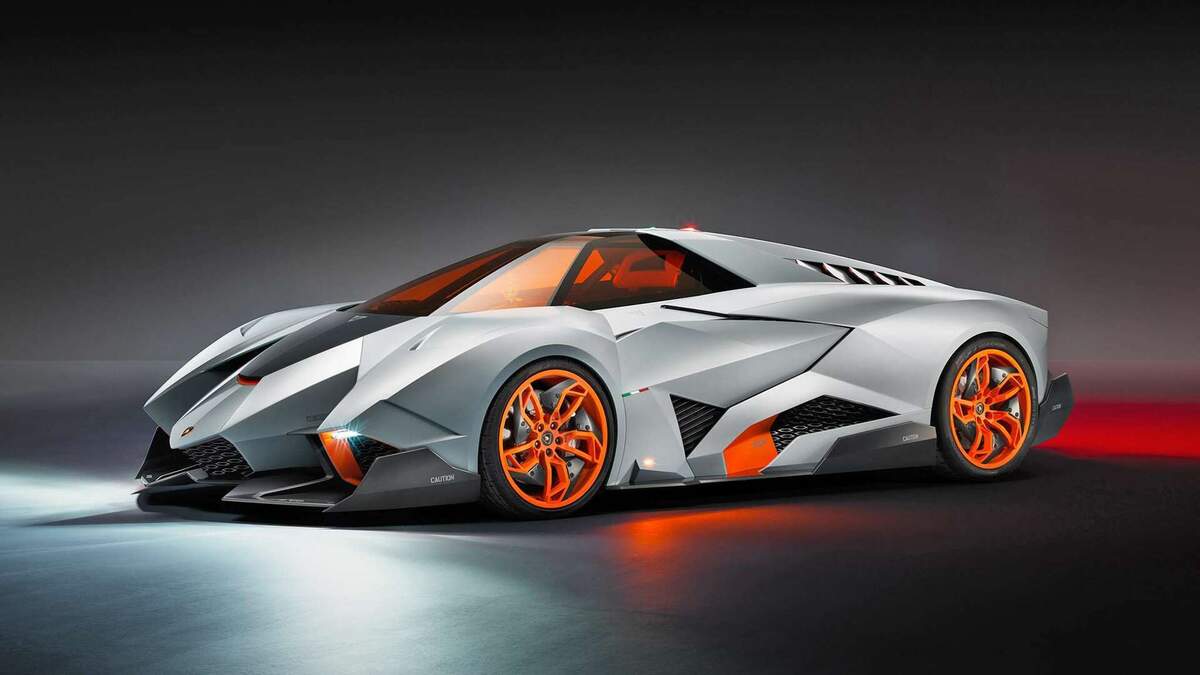
The hypercar of 2030 will almost certainly be fully electric, assisted by solid-state batteries that finally deliver the energy density the category has been waiting for. Four-motor configurations will become standard. Weight figures will drop further as batteries shrink and structural integration replaces traditional chassis architecture. And the cars will likely look stranger than anything we have seen so far, as designers are freed from the packaging constraints of internal combustion.
But perhaps the more interesting question is not what the hypercar will be, but what it will mean. For the past seventy years, these cars have served as the aspirational summit of the automotive world, the distillation of what the industry believes is its finest work. As the industry itself transforms, the hypercar's role will transform with it. It will remain a statement, but the statement will shift. No longer simply "we can build the fastest thing on the road." Instead: "we can build the most intelligent, most sustainable, most beautifully integrated machine possible, and it happens to be unspeakably fast."
That is a more complicated value proposition than the one these cars used to make. But it is also, arguably, a more interesting one. The future of the hypercar is not a louder version of the past. It is a thoughtful one. And the cars that succeed in the coming decade will be those that understand the difference.